

 English
 русский
 Español
 Português
 عربى
عربى italiano
Eco Friendly Pet Products: A Practical Guide to Sustainable Sourcing for Buyers
Content
- 1 The Plastic Problem Hidden in Everyday Pet Care
- 2 What Makes a Pet Product Truly Eco-Friendly?
- 3 Pet Waste Disposal: Choosing Bags That Break Down
- 4 Grooming Tools That Last Reduce Waste at the Source
- 5 Feeding and Hydration: Cutting Food Waste and Plastic Refills
- 6 Sourcing Eco-Friendly Pet Products: What Buyers Should Verify
- 7 Frequently Asked Questions About Eco-Friendly Pet Products
The Plastic Problem Hidden in Everyday Pet Care
A person who picks up after their dog once a day goes through more than 365 waste bags every year. With hundreds of millions of pet dogs and cats worldwide, that daily routine adds up to billions of petroleum-based bags annually — and waste bags are only a fraction of the damage. Leashes, collars, bowls, toys, and grooming tools are still made mostly from virgin plastic, and many are designed to be replaced within a year.
Eco friendly pet products have moved well past the novelty stage. Plant-based waste bags, washable grooming tools, refillable dispensers, and precision feeding devices now perform as well as their conventional counterparts. The real problem is separating honest products from inflated "eco" marketing.
This guide defines what makes a pet product genuinely sustainable, compares the most important product categories, and explains what to verify before buying or sourcing in volume. The short version: durability, material transparency, and a clear end-of-life plan matter more than a green label.
What Makes a Pet Product Truly Eco-Friendly?
A single green feature is not enough. A biodegradable bag wrapped in a plastic outer pouch, or a bamboo-handled brush with synthetic bristles glued in place, is only partially sustainable. Evaluating a product across five factors gives a clearer and fairer picture.
- Material choice — 30% of the evaluation
- Product lifespan — 25%
- Manufacturing process — 20%
- Packaging — 15%
- End-of-life plan — 10%
- Material choice. Renewable or recycled inputs such as cornstarch, wheat straw, bamboo, recycled PET, and food-grade silicone replace virgin petroleum plastic at the source.
- Product lifespan. A durable tool that lasts for years prevents the manufacturing, packaging, and shipping emissions of several replacement items.
- Manufacturing process. Energy use, water consumption, and waste control inside the factory determine whether production itself is sustainable.
- Packaging. Minimal, recyclable, plastic-free packaging extends the eco promise to the box the product arrives in.
- End-of-life plan. Compostable, recyclable, or safely disposable products avoid the centuries-long landfill wait of conventional plastic.
Certifications help. For biodegradable plastics, look for EN 13432 or ASTM D6400. For compostable claims, OK Compost is a widely accepted mark. For any wooden or bamboo component, ask where the material comes from. No product is completely impact-free, but one that scores well across all five factors is worth the premium.
Pet Waste Disposal: Choosing Bags That Break Down
Pet waste is organic, but the conventional bag that holds it is not. In an oxygen-poor landfill, even biodegradable film breaks down slowly. Selecting the right bag material still changes the environmental outcome, especially when waste is processed through composting facilities.
| Bag type | Base material | Approximate breakdown time | Best suited for |
|---|---|---|---|
| Conventional plastic | Petroleum-based polyethylene | 400+ years | Lowest unit cost with no eco requirement |
| EPI / bio-additive | Petroleum plastic with fragmentation additive | 2–5 years to fragment | Budget-conscious buyers; fragments are not full biodegradation |
| Plant-based biodegradable | Cornstarch / PBAT blend | 6–12 months in active compost | Eco-minded owners with access to composting |
| Water-soluble | PVA / PVOH film | Dissolves in minutes in water | Specialized disposal flows; check local sewer regulations |
For most households, the practical starting point is a biodegradable dog poop bag with even wall thickness and sealed seams that survive normal handling. Pair it with a dispenser molded from wheat straw instead of plastic, and keep a durable scooper for the pickups where a bag is overkill.
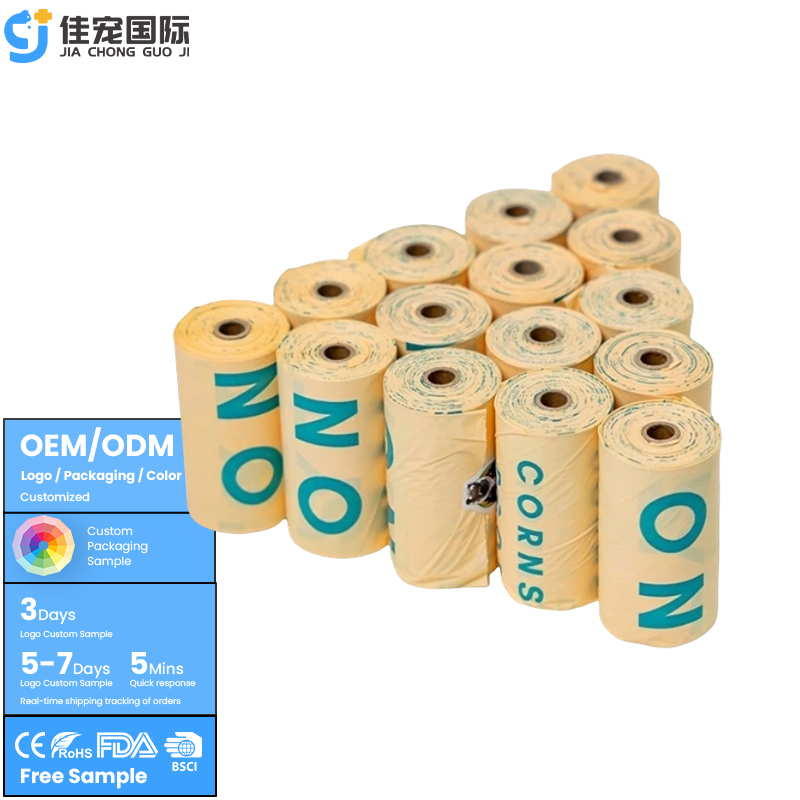 Custom Biodegradable Dog Poop Bag Manufacturer, Factory - Ningbo Jia Chong InterAs China OEM/ODM Biodegradable Dog Poop Bag manufacturer and factory, Jia Chong International provides custom Biodegradable Dog Poop Bag ...View Product →
If you are comparing the full waste handling workflow — bags, scoopers, dispensers, and disposal routines — our pet waste disposal solutions guide covers the trade-offs in detail.
Grooming Tools That Last Reduce Waste at the Source
Grooming creates quieter waste. Disposable wipes, single-use grooming gloves, and cheap brushes that shed bristles after a few washes all end up in the bin. The sustainable move is fewer, better tools that can be cleaned and reused for years.
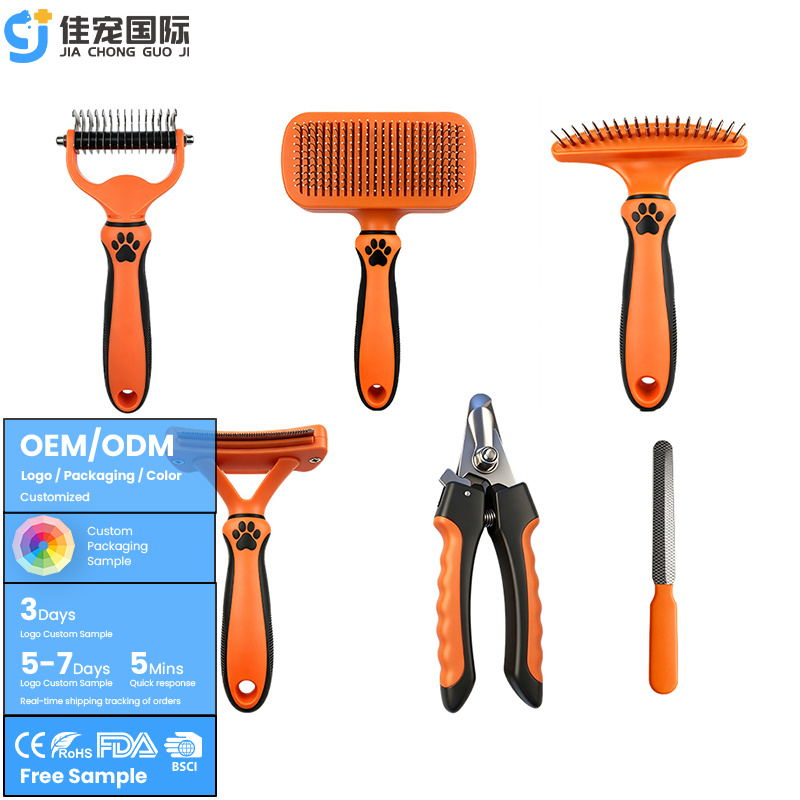
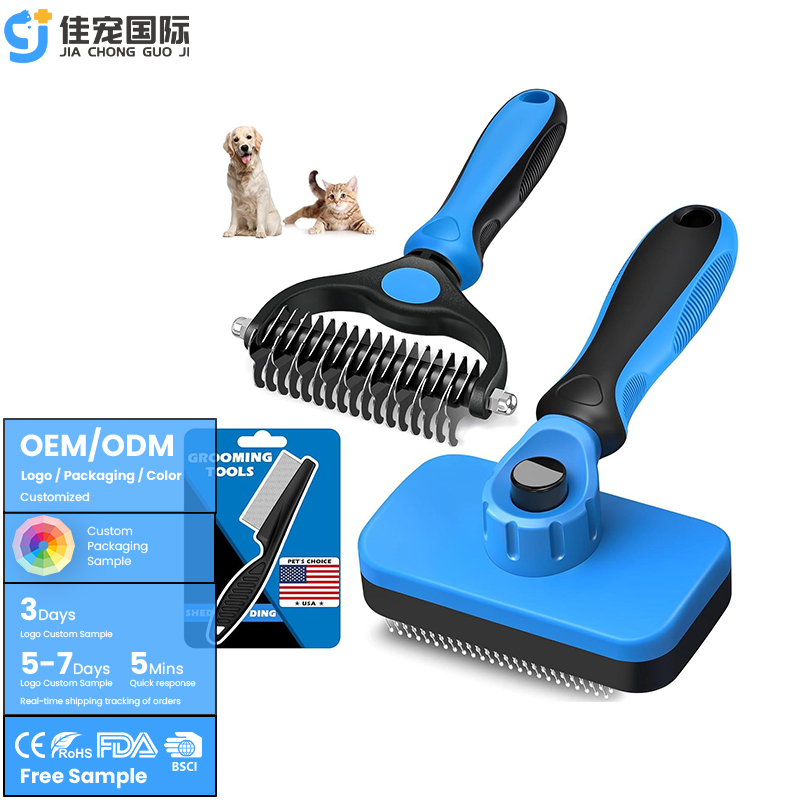
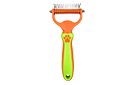
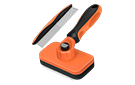
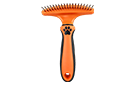
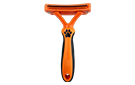
Prioritize brushes with food-grade silicone heads, combs made from stainless steel, and handles from bamboo or recycled materials. These tools rinse clean under running water and do not degrade after repeated contact with fur, shampoo, and skin oils.
A reusable silicone pet massage brush is a good example: it lifts loose undercoat, stimulates circulation, and rinses clean in seconds. Over its service life, one brush replaces hundreds of single-use grooming wipes.
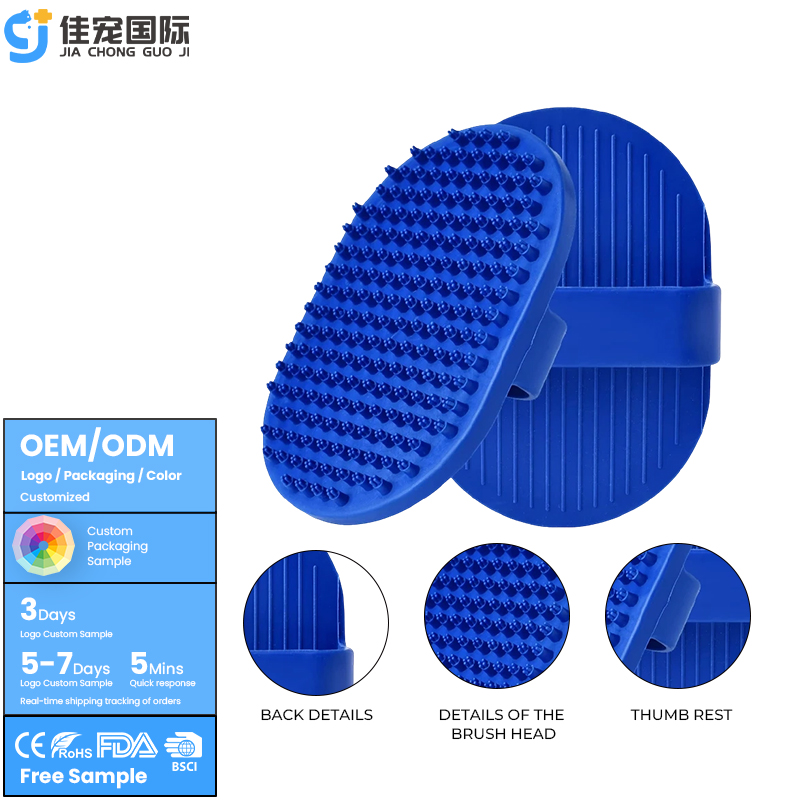 Custom Pet Silicone Massage Brush Manufacturer, Factory - Ningbo Jia Chong InterAs China OEM/ODM Pet Silicone Massage Brush manufacturer and factory, Jia Chong International provides custom Pet Silicone Massage Brush ...View Product →
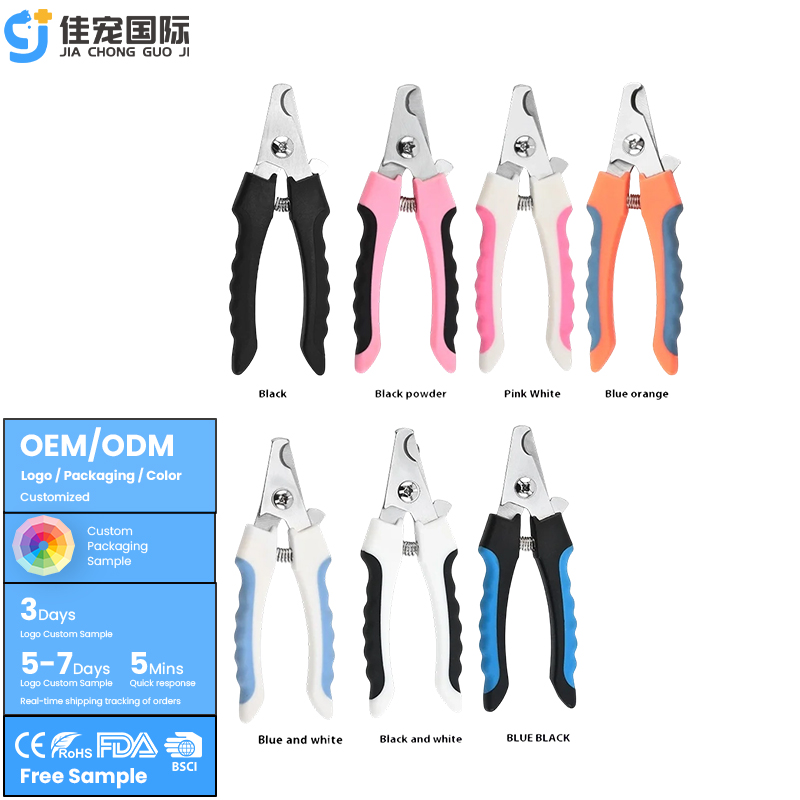
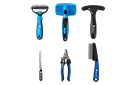
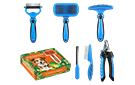
For a closer look at brushes, combs, nail trimmers, and complete kit configurations, see our guide to pet cleaning and grooming product selection.
Feeding and Hydration: Cutting Food Waste and Plastic Refills
Pet food production consumes land, water, and energy, so every portion that ends up in the trash carries a real environmental cost. Free-feeding often overfills the bowl, and leftover kibble spoils quickly. Precision feeding solves both problems simultaneously.
A 5.5L smart pet feeder holds several days of kibble and releases measured portions on a fixed schedule, keeping the food fresh and preventing overfeeding. Paired with stainless steel or food-grade silicone bowls, it also removes the need for cracked plastic bowls that are replaced every few months.
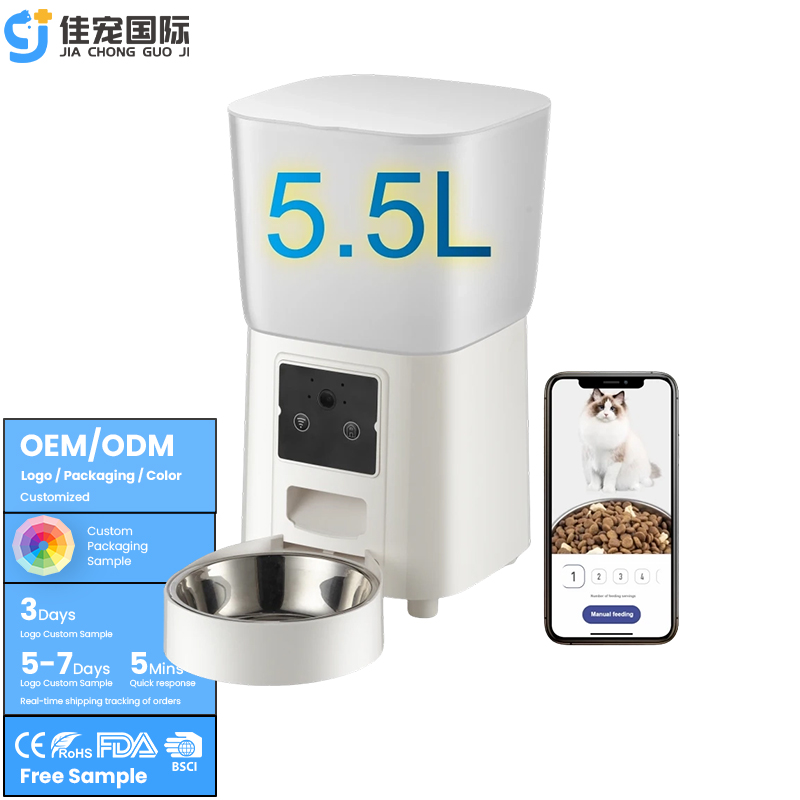 Custom 5.5L Pet Smart Feeder Manufacturer, Factory - Ningbo Jia Chong InternatioAs China OEM/ODM 5.5L Pet Smart Feeder manufacturer and factory, Jia Chong International provides custom 5.5L Pet Smart Feeder with direc...View Product →
Hydration follows the same logic. A refillable portable water bottle with a built-in drinking bowl replaces dozens of disposable plastic bottles per walking season. The principle across all these categories is consistent: choose products that are refillable, washable, and built for years of active use.
Sourcing Eco-Friendly Pet Products: What Buyers Should Verify
For brands, importers, and retailers, the risk is not a shortage of eco-friendly products — it is inflated or unverifiable claims. Before committing to a supplier, walk through a simple verification process.
- Request material data sheets and third-party certificates such as EN 13432, ASTM D6400, or OK Compost for every biodegradable claim.
- Confirm the manufacturer can run OEM/ODM with your specified materials rather than only standard catalog items.
- Inspect packaging options: recycled cardboard, plastic-free mailers, and minimal void fill should be available as standard alternatives.
- Ask about factory waste handling, energy use, and water treatment, or require a third-party audit report.
- Account for transport weight and volume, because bulky products raise shipping emissions and cost.
A manufacturer with in-house design, molding, and quality control is easier to hold accountable. Ningbo Jia Chong International Trade has produced pet care goods for more than 16 years, operates 18 production lines across a 10,000-square-meter plant, and supports customers in over 40 countries. Our factory and production facilities are the same facilities we use to test material substitutions, validate new formulas, and inspect finished goods — which is exactly the transparency eco-minded buyers should expect from any partner.
Frequently Asked Questions About Eco-Friendly Pet Products
Are biodegradable poop bags compostable?
Only if they carry a recognized certification such as EN 13432 or OK Compost. Most certified bags need the heat and microbial activity of an industrial composting facility; home compost bins usually take much longer.
What is the difference between EPI and biodegradable bags?
EPI bags are conventional plastic mixed with an additive that fragments the material into smaller pieces over a few years. Fragmentation is not biodegradation, and microplastics can remain in the environment. Plant-based biodegradable bags use starch-based polymers designed to be consumed by microorganisms.
Do eco-friendly pet products cost more?
Upfront prices are often slightly higher because certified materials and better manufacturing cost more. Total cost of ownership can be lower for durable goods, and volume purchasing narrows the gap significantly for commercial buyers.
Can OEM/ODM manufacturers make truly eco-friendly products?
Yes, if the supplier controls material sourcing and production lines. Manufacturers with in-house R&D can substitute recycled or renewable materials into existing molds and test new formulations before mass production, which is how most sustainable pet products actually come to market.
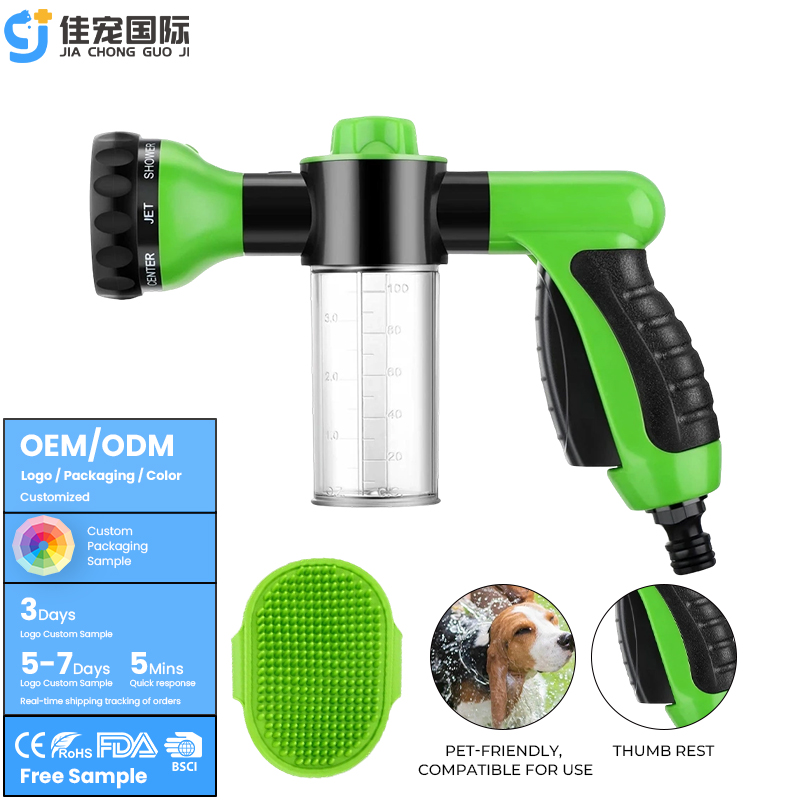









Since its founding in 2009, Jia Chong has devoted itself to the pet-care sector, with a “people-first, pet-embrace” philosophy, delivering professional, high-quality, full-line one-stop solutions for pet families worldwide.
-
 No. 90, Fengming Road, South District, Economic Open Zone, Yuyao City, Zhejiang Province, China
 -
 +86-152 5827 1677
-
 info@nbpetsfamily.com
Copyright © Ningbo Jia Chong International Trade Co., Ltd. All Rights Reserved. OEM/ODM Pet Accessories Manufacturer Pet Products Factory
