

 English
 русский
 Español
 Português
 عربى
عربى italiano
Pet Cleaning and Grooming Product: A Comprehensive Guide to Selection, Comparison, and Seasonal Care
Content
- 1 How to Choose the Right Pet Cleaning and Grooming Product for Your Dog
- 2 Pet Cleaning and Grooming Product vs Professional Grooming Service: Which Is Better
- 3 Best Pet Cleaning and Grooming Product for Long-Haired Cats
- 4 Pet Cleaning and Grooming Product: Is It Safe for Puppies with Sensitive Skin
- 5 Which Pet Cleaning and Grooming Product Works Best for Shedding Season
How to Choose the Right Pet Cleaning and Grooming Product for Your Dog
The global pet grooming market is projected to reach USD 19.5 billion in 2026 and is forecast to nearly triple to USD 46.7 billion by 2036, reflecting a 9.1% compound annual growth rate. This explosive growth is driven by rising pet ownership, stronger pet humanization trends, and the transformation of grooming from an occasional chore into a routine wellness practice. For dog owners, navigating this expanding marketplace requires a clear framework for product selection.
Shampoos and conditioners dominate the product landscape, accounting for 46.1% of total grooming product demand. This dominance stems from their consumable nature and the routine bathing needs of dogs across all breeds. When selecting a shampoo, the first consideration should be your dog's skin condition. The concept of "skinification" has crossed from human skincare into pet care, replacing one-size-fits-all formulations with targeted, ingredient-led products designed for specific skin and coat concerns.
| Skin Condition | Recommended Ingredients | Product Type |
|---|---|---|
| Dry & Flaky | Ceramides, Oatmeal Extracts | Moisturizing Shampoo + Conditioner |
| Oily & Odor-Prone | Tea Tree Oil, Witch Hazel | Sebum-Balancing Shampoo |
| Sensitive & Itchy | Centella Asiatica, Aloe Vera | Hypoallergenic Formula |
| Normal | Natural Oils, Vitamin E | Maintenance Shampoo |
Coat type represents the second critical selection factor. The electric pet grooming brush market alone is valued at USD 350 million in 2026 and is projected to reach USD 580 million by 2034, demonstrating the technological innovation occurring in breed-specific tool design.
| Breed Type | Coat Characteristics | Essential Tools |
|---|---|---|
| Long-Haired Maltese, Afghan Hound |
Silky, prone to matting | Detangling Conditioner, Slicker Brush, Metal Comb |
| Double-Coated Golden Retriever, Husky |
Dense undercoat, seasonal blow | Deshedding Tool, Undercoat Rake, Pin Brush |
| Short-Haired Beagle, Boxer |
Smooth, low maintenance | Rubber Curry Brush, Bristle Brush |
| Wire-Haired Terrier, Schnauzer |
Harsh texture, hand-stripping | Stripping Knife, Slicker Brush |
Ingredient transparency has become non-negotiable. The 2026 standard demands pH-balanced, soap-free compositions. Human shampoo runs at pH 5.5, while canine skin requires pH 6.8. Using human-grade products on dogs strips natural oils and compromises the skin barrier.
Online retail represents 34.9% of pet grooming product sales, driven by convenience, replenishment behavior, and access to wider product assortments. Subscription models, exemplified by Chewy's auto-ship programs, embed grooming products into habitual purchasing cycles.
Pet Cleaning and Grooming Product vs Professional Grooming Service: Which Is Better
The pet grooming services market is forecast to grow from USD 3.8 billion in 2026 to USD 7.9 billion by 2036 at a 7.5% CAGR, while the broader pet grooming product market reaches USD 19.5 billion in the same year. This divergence in scale reveals a fundamental truth: most pet owners combine at-home product use with periodic professional services rather than choosing exclusively between the two approaches.
Professional grooming services offer irreplaceable advantages for specific scenarios. Breed-standard cuts for Poodles, Bichon Frises, and Terriers require technical skills that take years to master. Mobile grooming services, exemplified by companies like Aussie Pet Mobile, have expanded dramatically by bringing salon-quality care directly to homes.
| Comparison Dimension | Professional Service | Home Grooming Products |
|---|---|---|
| Technical Skill | Years of training, breed-specific expertise | Learning curve, basic techniques achievable |
| Equipment | Industrial-grade dryers, hydraulic tables, professional clippers | Consumer-grade tools, improving rapidly |
| Cost (Annual) | USD 600-1,800 for frequent grooming | USD 340-440 (kit + consumables) |
| Convenience | Requires appointment, transportation | On-demand, flexible scheduling |
| Stress Level | Variable; fear-free certified groomers reduce anxiety | Controlled environment, familiar handler |
| Behavioral Issues | Trained restraint techniques | Gradual desensitization possible |
| Medical Detection | Early skin condition identification | Owner observation, vet consultation needed |
The 2026 trend toward at-home spa rituals reflects a deeper shift in pet owner philosophy. Slower, calmer bath rituals reduce cortisol levels in dogs, lower the chance of grooming-related anxiety, and produce better results because the dog isn't fighting the process.
For specific populations, the choice becomes clearer. Senior dogs with arthritis benefit from home grooming that eliminates transportation stress. Dogs with severe grooming anxiety may respond better to gradual, owner-led desensitization using home products rather than the intensive salon environment.
Best Pet Cleaning and Grooming Product for Long-Haired Cats
Long-haired cats present unique grooming challenges that demand specialized products and techniques. While dogs dominate the broader pet grooming market at 58.4% of demand, cats represent a growing segment with distinct physiological and behavioral requirements. Persian, Maine Coon, Ragdoll, and Himalayan breeds require daily coat maintenance to prevent matting, reduce hairball formation, and maintain skin health.
The feline skin barrier is thinner and more pH-sensitive than canine skin. Cats are also prolific self-groomers, meaning any product residue left on the coat will be ingested during normal cleaning behavior. This ingestion risk makes ingredient safety paramount.
| Product Category | Recommended Features | Frequency | Caution |
|---|---|---|---|
| Deshedding Tool | Stainless steel, rounded tips, cat-specific design | Daily (5-10 min) | Avoid excessive pressure on thin skin |
| Slicker Brush | Fine angled wires, flexible construction, ball tips | Daily | Check for skin irritation after use |
| Waterless Spray | pH-balanced for cats, alcohol-free, anti-static | As needed | Ensure complete coat penetration |
| Shampoo | Oatmeal-based, soap-free, unscented | Every 6-8 weeks | Never use dog or human shampoo |
| Grooming Wipes | Unscented, alcohol-free, gentle cleansers | 2-3x weekly | Avoid face folds unless formulated for it |
| Nail Clippers | Guillotine-style, safety guard included | Every 2-3 weeks | Keep styptic powder on hand |
For silky coats prone to static and tangles, conditioners containing silk proteins and panthenol improve manageability. For thicker, cottony coats that mat easily, lightweight detangling conditioners prevent the heaviness that accelerates knot formation.
The emotional dimension of cat grooming cannot be overlooked. Grooming sessions should be brief, positive, and associated with treats or play. Calming pheromone diffusers placed in grooming areas reduce anxiety.
Pet Cleaning and Grooming Product: Is It Safe for Puppies with Sensitive Skin
Puppy skin represents one of the most delicate surfaces in companion animal care. Neonatal and juvenile canine skin is significantly thinner than adult skin, with an underdeveloped stratum corneum that provides reduced barrier protection against environmental irritants, allergens, and chemical exposures.
The puppy skin barrier reaches functional maturity between twelve and sixteen weeks of age, though full development continues into adolescence. During this critical window, the skin's lipid matrix, which prevents water loss and blocks pathogen entry, remains incomplete.
| Ingredient | Benefit for Puppy Skin | Quality Consideration | Risk Factor |
|---|---|---|---|
| Colloidal Oatmeal | Anti-inflammatory, barrier restoration, itch relief | Look for beta-glucan content | None at proper concentration |
| Aloe Vera (Inner Gel) | Hydration, erythema reduction | Must specify "inner leaf gel" or "decolorized" | Latex layer contains laxative anthraquinones |
| Chamomile Extract | Gentle anti-inflammatory, calming scent | Hydrosol form preferred over essential oil | Essential oils too concentrated for puppies |
| Calendula Extract | Skin healing, mild antiseptic | Diluted extract form | None at therapeutic concentrations |
| Centella Asiatica | Barrier support, collagen synthesis | Verify juvenile animal testing | Limited puppy-specific safety data |
| Cocamidopropyl Betaine | Soap-free gentle cleansing | Primary surfactant in quality formulas | None; milder than sulfates |
Hypoallergenic formulations represent the baseline standard for sensitive puppy skin. These products exclude common sensitizers including artificial fragrances, synthetic dyes, parabens, sulfates, and formaldehyde-releasing preservatives. However, the term "hypoallergenic" lacks regulatory standardization in the pet product industry, making ingredient literacy essential for owners.
Tool selection for sensitive puppies requires equal care. Brush bristles should be soft natural materials like boar hair or gentle synthetic fibers with rounded tips. Metal slicker brushes designed for adult coats can scratch puppy skin and create micro-abrasions.
Puppies with persistently sensitive skin, recurrent ear infections, or chronic itching may have underlying atopic dermatitis, food allergies, or endocrine disorders that require veterinary diagnosis. No grooming product can resolve these systemic conditions.
Which Pet Cleaning and Grooming Product Works Best for Shedding Season
Shedding season represents one of the most challenging periods for pet owners. For double-coated breeds, seasonal coat blows can release astonishing quantities of undercoat, with some large dogs shedding enough fur in a single session to fill a grocery bag.
The biology of seasonal shedding follows photoperiod-triggered hormonal cycles. As daylight hours lengthen in spring and shorten in autumn, melatonin levels shift, signaling the hair follicles to transition between growth and resting phases.
| Coat Length Category | Representative Breeds | Primary Deshedding Tool | Secondary Tool | Session Duration |
|---|---|---|---|---|
| Short + Dense Undercoat | Labrador, Beagle, Pug | Rubber Curry Brush | Short-toothed Deshedder | 15-20 min, 2x weekly |
| Medium + Moderate Undercoat | Border Collie, Aussie Shepherd, Corgi | Moderate-tooth Deshedder | Slicker Brush | 20-30 min, 3x weekly |
| Long + Thick Undercoat | Samoyed, Collie, Golden Retriever | Long-tooth Undercoat Rake | Pin Brush + Deshedder | 30-45 min, daily |
| Double-Coated Heavy | Husky, Malamute, German Shepherd | Undercoat Rake + Deshedder | High-velocity Dryer | 45-60 min, daily |
| Long-Haired Cats | Maine Coon, Persian, Ragdoll | Cat-specific Deshedding Comb | Slicker Brush | 10-15 min, daily |
Deshedding tools represent the primary weapon against seasonal coat accumulation. The market leader, FURminator, has built a USD 350 million electric grooming brush category around the principle of removing loose undercoat before it detaches and scatters.
| Supplementary Strategy | Product/Action | Benefit | Frequency |
|---|---|---|---|
| Omega Fatty Acids | Fish oil or flaxseed supplements | Improves coat health from within, reduces excessive shedding | Daily (dietary) |
| Lightweight Conditioner | Silicone-free detangling formula | Reduces static, prevents shed hair clinging to coat | Weekly during peak season |
| Waterless Spray | Anti-static grooming mist | Captures loose surface hair between deep sessions | As needed |
| Humidity Control | Humidifier set to 40-50% RH | Reduces static electricity, improves coat manageability | Continuous |
| Bedding Maintenance | Hot water wash (60C+) | Removes accumulated hair and allergens | Weekly |
| Air Filtration | HEPA air purifier | Captures airborne hair and dander | Continuous |
The 2026 innovation landscape includes smart grooming tools that adapt to coat density. Electric grooming brushes with sensors that detect resistance and adjust brushing intensity represent the cutting edge of deshedding technology.
Dietary integration complements topical grooming products during shedding season. High-quality diets with adequate protein, essential fatty acids, and micronutrients support the hair growth cycle. Biotin, zinc, and copper play roles in keratin formation and hair shaft strength.
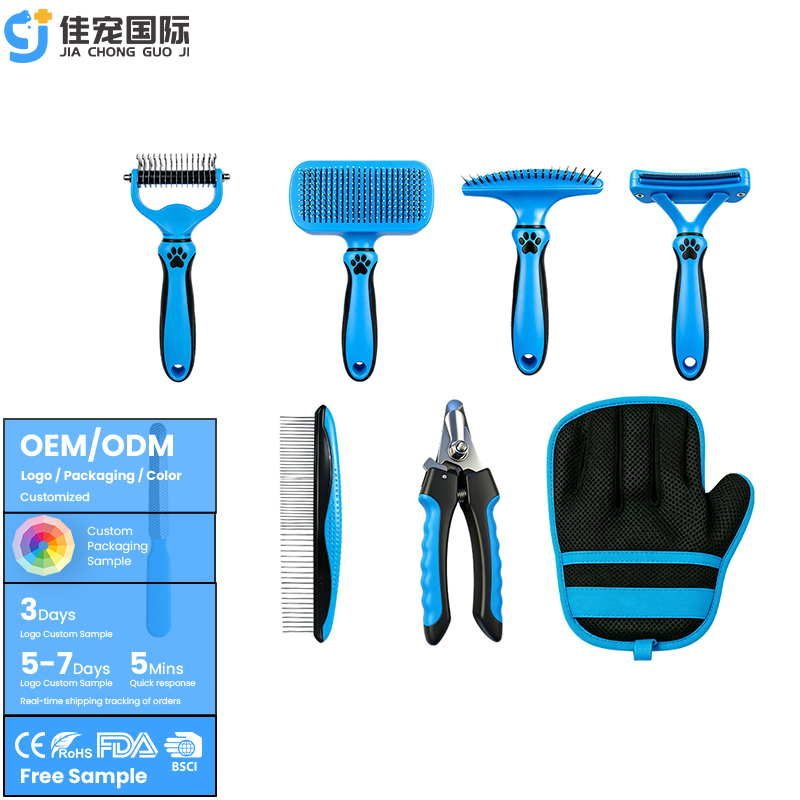
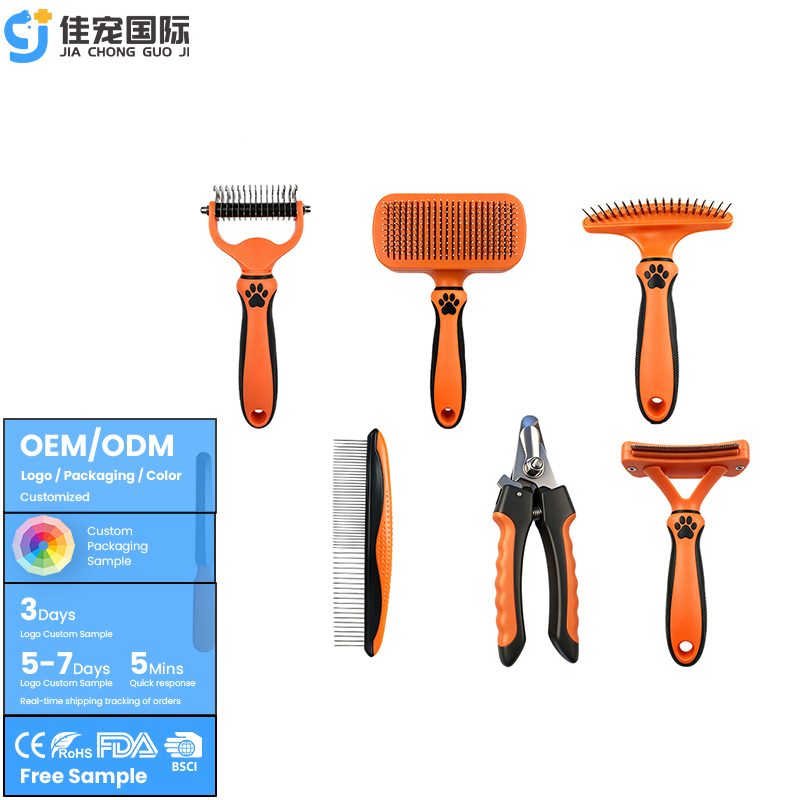




Since its founding in 2009, Jia Chong has devoted itself to the pet-care sector, with a “people-first, pet-embrace” philosophy, delivering professional, high-quality, full-line one-stop solutions for pet families worldwide.
-
 No. 90, Fengming Road, South District, Economic Open Zone, Yuyao City, Zhejiang Province, China
 -
 +86-152 5827 1677
-
 info@nbpetsfamily.com
Copyright © Ningbo Jia Chong International Trade Co., Ltd. All Rights Reserved. OEM/ODM Pet Accessories Manufacturer Pet Products Factory
