

 English
 русский
 Español
 Português
 عربى
عربى italiano
Custom Pet Care Products: A Complete OEM/ODM Manufacturing Guide for Buyers
Content
- 1 What Custom Pet Care Products Cover
- 2 Product Categories Most Often Sourced as Custom
- 3 OEM vs. ODM: Which Route Fits Your Brand
- 4 How to Evaluate a Custom Pet Care Product Manufacturer
- 5 Common Sourcing Mistakes and How to Avoid Them
- 6 Smart Pet Products: The Fast-Growing Custom Segment
- 7 Frequently Asked Questions
A pet product buyer from a German retail brand sent us a two-line brief last quarter: a custom grooming set for short-haired breeds, with their logo on every tool. After the first sample round, the handle angle was adjusted, bristle firmness was changed, and the packaging was switched to recycled PET. The final version passed their quality audit on the second submission. That editing loop is what custom pet care products are meant to deliver: your specifications, your brand, and a product that fits your market.
Custom pet care products are not catalog items with a logo printed on the box. They are the result of a manufacturer applying design, tooling, material selection, assembly, and quality control to a brief you define. For brands, importers, and retailers, this is the most practical way to create differentiation without owning a factory.
What Custom Pet Care Products Cover
Custom pet care products normally follow one of two manufacturing models.
- OEM (Original Equipment Manufacturing): you provide the drawings, material specifications, and finish requirements, and the factory executes your design through production.
- ODM (Original Design Manufacturing): the factory contributes its own design and engineering experience, and you refine the product for your market before production.
Buyers request customization for practical reasons: building a private label, adjusting a standard product for local breeds or climates, upgrading materials after market feedback, or adding functions that competitors do not offer. All of these become easier when the manufacturer has engineering depth rather than acting purely as a trading desk.
Product Categories Most Often Sourced as Custom
A manufacturer with a broad catalog is usually better positioned for custom work, because cross-category experience improves material selection and assembly quality. The categories below see the most frequent customization requests.
Share of pet product importers sourcing each category as a custom product, based on common order patterns in pet care trade.
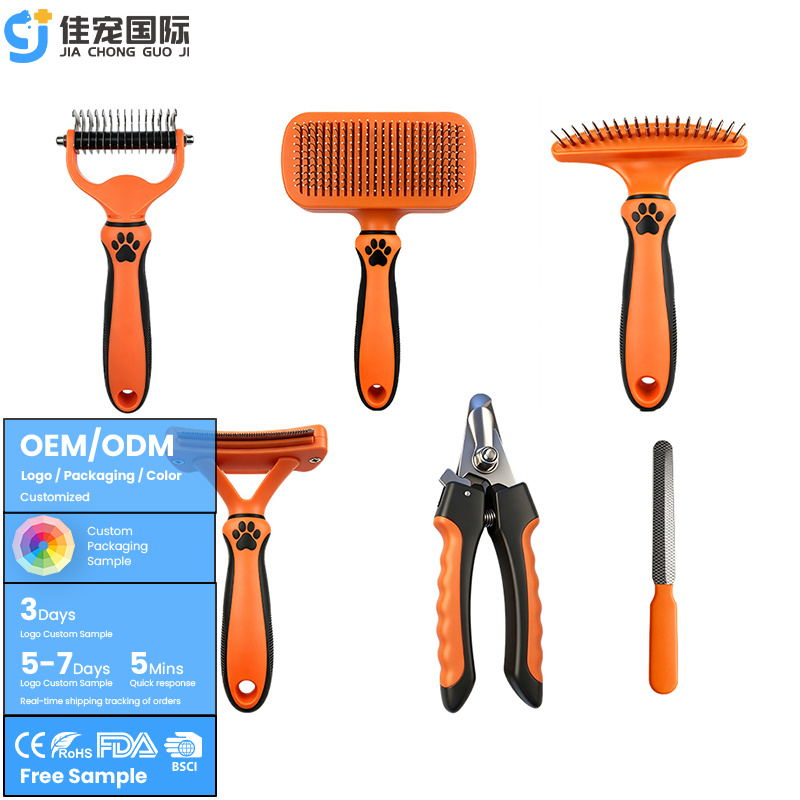
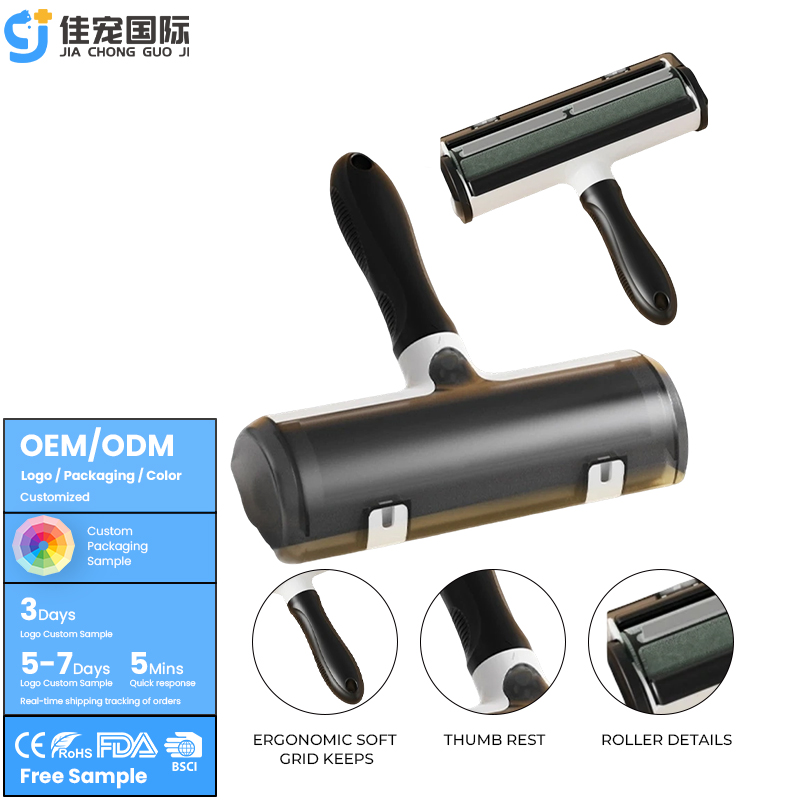
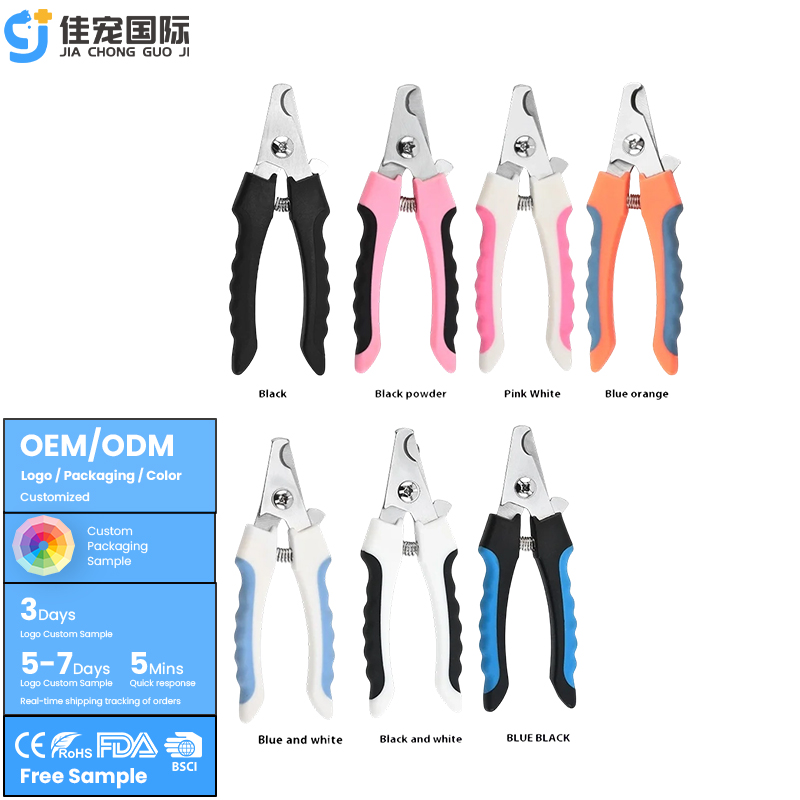
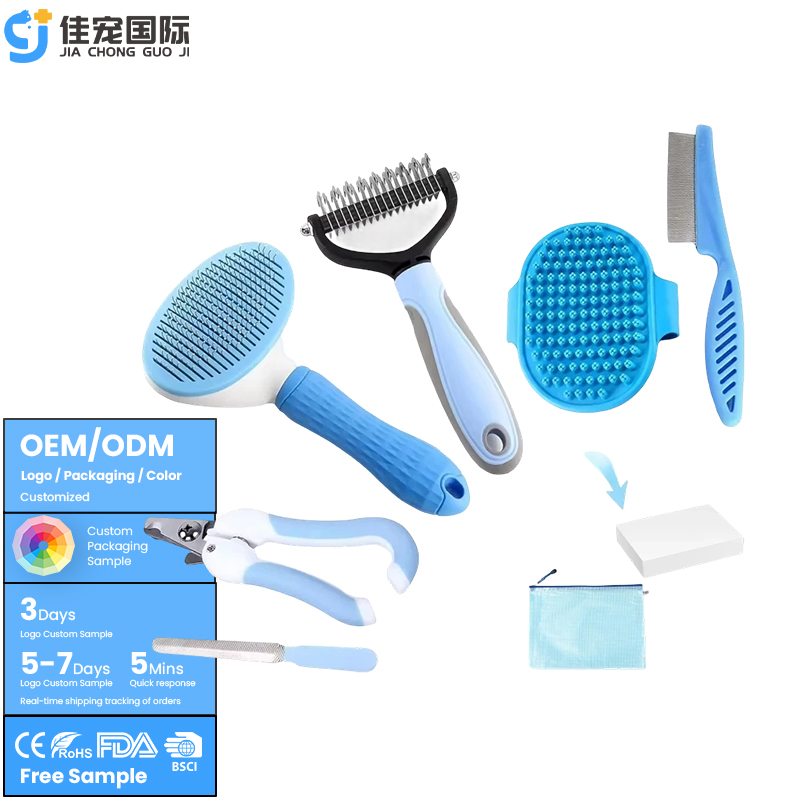
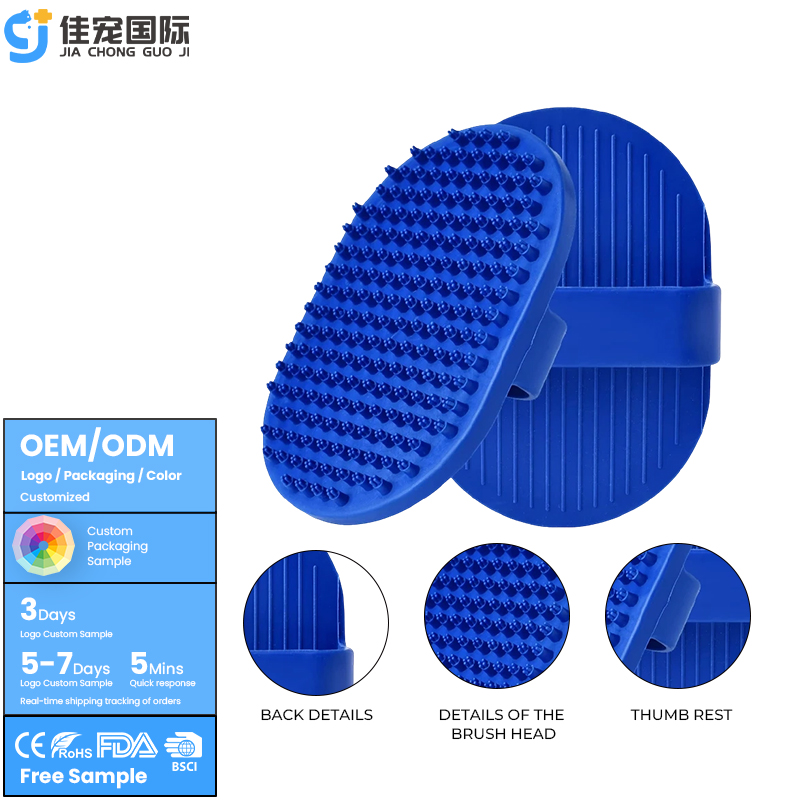
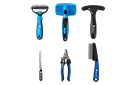
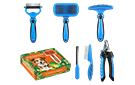
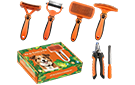
- Grooming and cleaning: pet brushes, combs, nail clippers, and multi-tool kits. A custom 10-in-1 pet grooming kit
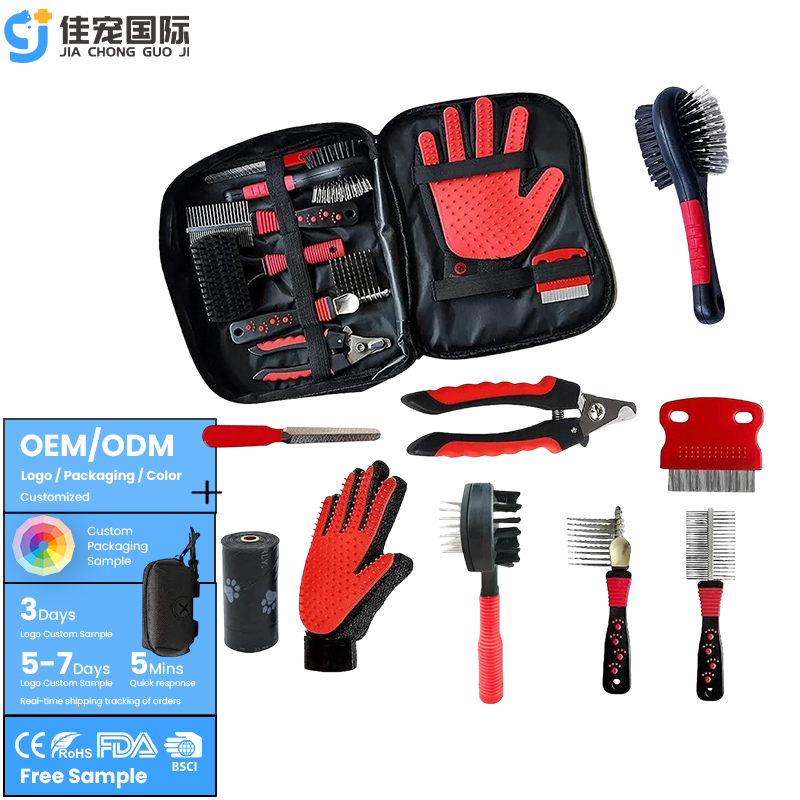 Custom 10 in 1 Pet Grooming Kit Manufacturer, Factory - Ningbo Jia Chong InternaAs China OEM/ODM 10 in 1 Pet Grooming Kit manufacturer and factory, Jia Chong International provides custom 10 in 1 Pet Grooming Kit with...View Product →, for example, can bundle several tools into one branded package.
 - Waste management: poop bags, scoopers, and dispensers with material choices such as biodegradable, EPI, or water-soluble films.
- Feeding and hydration: bowls, foldable silicone bowls, portable water bottles, smart feeders, and water dispensers.
- Walking and outdoor gear: leashes, collars, harnesses, LED retractable leashes, and reflective collars.
- Travel and carrying: airline-approved air boxes, pet backpacks, handbags, and strollers.
- Smart living: automatic cat litter boxes, smart feeders, smart water dispensers, and pet air purifiers.
- Enrichment: educational puzzle toys and sound-based interactive toys.
OEM vs. ODM: Which Route Fits Your Brand
The right model depends on your internal design capacity and how fast you need to reach the market. The comparison below reflects common procurement practice.
| Factor | OEM (buyer design) | ODM (factory design) |
|---|---|---|
| Design control | Buyer provides drawings and specifications | Factory offers a validated baseline design |
| Development time | Longer, depends on buyer input speed | Shorter, design is already tested |
| Cost structure | Tooling fees plus unit price | Unit price plus branding, tooling often shared |
| Minimum order | Usually higher | More flexible for first orders |
| Best suited for | Established brands with in-house design | New entrants and fast market entry |
Typical distribution of customization models among independent pet brands and importers.
Most buyers use a combination: they start with an ODM product for a first order, validate demand, then move to OEM-style modifications once they understand what their customers want.
How to Evaluate a Custom Pet Care Product Manufacturer
A custom project is only as reliable as the factory behind it. Use these five criteria to shortlist candidates.
1. Manufacturing experience and adjacent category knowledge
Long industry experience matters because pet care products touch materials, plastic molding, packaging, and sometimes electronics. A manufacturer that started in general cleaning, beauty, or baby products usually brings stronger quality habits into pet products. Ask how many years they have operated and which categories they produced before entering pet care.
2. Design and engineering capacity
Check whether the factory has dedicated designers and R&D engineers. For brushes, combs, and grooming kits, design affects ergonomics. For smart feeders and automatic litter boxes, engineering affects sensors, motor control, and safety. A team of five designers and six R&D engineers signals real development depth; a sales-only office does not.
3. Quality control built into production
Quality control should happen at incoming material, in-process assembly, and final outgoing inspection. Ask how many QC staff the factory employs and whether it can provide photo or video inspection during production. A manufacturer that publishes its quality process openly is a strong transparency signal.
4. Production capacity and scalability
Confirm the factory's production area and number of production lines. A 10,000-square-meter facility with 18 production lines can handle repeat orders and seasonal spikes. If the manufacturer also runs a dedicated factory for pet products, the risk of capacity conflicts is lower. You can review the layout and equipment documentation in our factory and production facility overview before starting a conversation.
5. Communication and sample management
The best factory is difficult to work with if updates are slow. Evaluate how quickly it responds to RFQs, whether it raises practical questions about your brief, and how it handles sample revisions. A salesperson who promises anything is usually less reliable than an engineer who asks clarifying questions.
Common Sourcing Mistakes and How to Avoid Them
- Sharing only a target price. Price without a specification produces meaningless quotes. Include target quantity, materials, dimensions, packaging, and destination port.
- Ignoring material compliance. Products that contact mouths, paws, or fur should use materials that are safe and testable. EU and US markets require documentation, so plan for testing early.
- Skipping sample iterations. The first sample rarely matches the final market version. Reserve two or three rounds for ergonomics, color matching, and packaging.
- Buying from a trading company when you need engineering. For smart products, the factory must own the manufacturing process for electronics and assembly. Choose a real manufacturer with production lines.
- Ignoring peak-season lead times. Container space and component supply tighten every year. Plan orders four to six weeks ahead of your normal purchasing rhythm.
Smart Pet Products: The Fast-Growing Custom Segment
Smart feeders, smart water dispensers, automatic cat litter boxes, and pet air purifiers moved from novelty to mainstream buying behavior within a few years. Pet owners now expect scheduled feeding, fresh water circulation, self-cleaning litter management, and better indoor air quality. For importers, this creates a clear opportunity to differentiate with products that require real engineering.
Estimated share of pet-owning households using at least one smart pet device, 2020-2026 (2026 projected).
Custom smart products require the factory to integrate tooling, electronic components, and control logic. That is why buyers should look for manufacturers with dedicated smart product lines. For example, a 76L automatic cat litter box can be customized for multi-cat households in terms of sensor sensitivity and waste disposal mechanics. A pet air purifier, meanwhile, can be adjusted for filter type, fan speed, and odor-control performance in different room sizes.
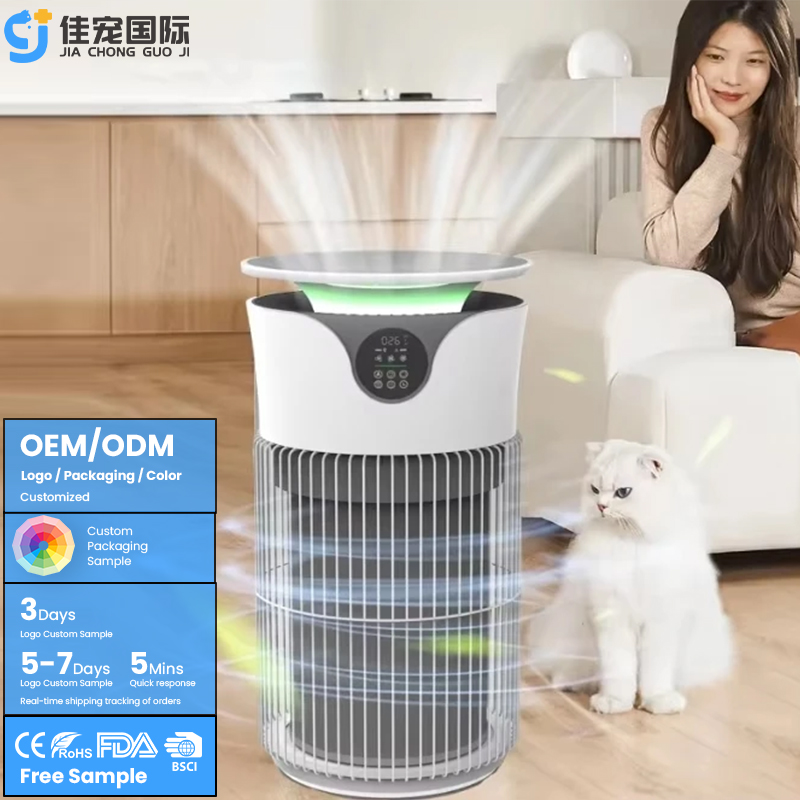 Custom Pet Air Purifier Manufacturer, Factory - Ningbo Jia Chong International TAs China OEM/ODM Pet Air Purifier manufacturer and factory, Jia Chong International provides custom Pet Air Purifier with direct factory ...View Product →
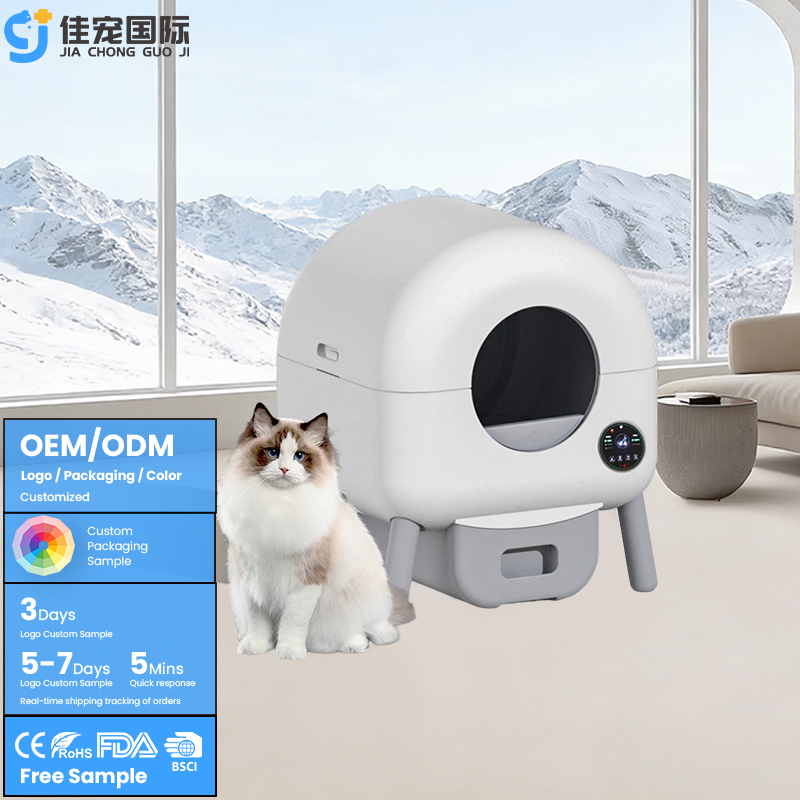 Custom 76L Automatic Cat Litter Box Manufacturer, Factory - Ningbo Jia Chong IntAs China OEM/ODM 76L Automatic Cat Litter Box manufacturer and factory, Jia Chong International provides custom 76L Automatic Cat Litter ...View Product →
Frequently Asked Questions
What information should I prepare for a custom pet care product RFQ?
Provide the target product, annual volume, packaging requirements, destination market, target price, and any certifications you need. A concrete brief allows the factory to quote tooling, materials, and production lead time accurately.
What is the minimum order quantity for custom pet care products?
MOQ depends on the category. Simpler products such as brushes, combs, and poop bags can start with smaller quantities, while electronics-based products such as automatic litter boxes or smart feeders typically require larger commitments because of tooling and component procurement. State your expected annual volume in the first inquiry.
Can I get private label packaging with my own brand?
Yes. OEM/ODM projects usually include branded packaging design, label printing, and carton customization. Clarify your packaging material preference, including eco-friendly options, during the sample stage.
How long does sample development take?
A first sample for standard grooming products generally takes 10 to 20 days. Smart products take longer because electronic components and safety testing are involved. Reserve two to three revision rounds in your schedule.
Do you provide quality inspection before shipment?
Our production process includes incoming material checks, in-process inspection, and final outgoing inspection. Buyers can request photos, video checks, or third-party inspection before shipment.
The right custom pet care products can differentiate your brand, reduce quality complaints, and drive repeat orders. The process does not need to be complicated, but it requires a partner that can design, produce, inspect, and ship to your standard. If you prepare a clear brief and evaluate the manufacturer on experience, engineering, quality control, and communication, you will avoid the most common sourcing failures and arrive faster at a product your customers trust.
Send your product list and category goals to our contact page for a feasibility review from our engineering and sales team.
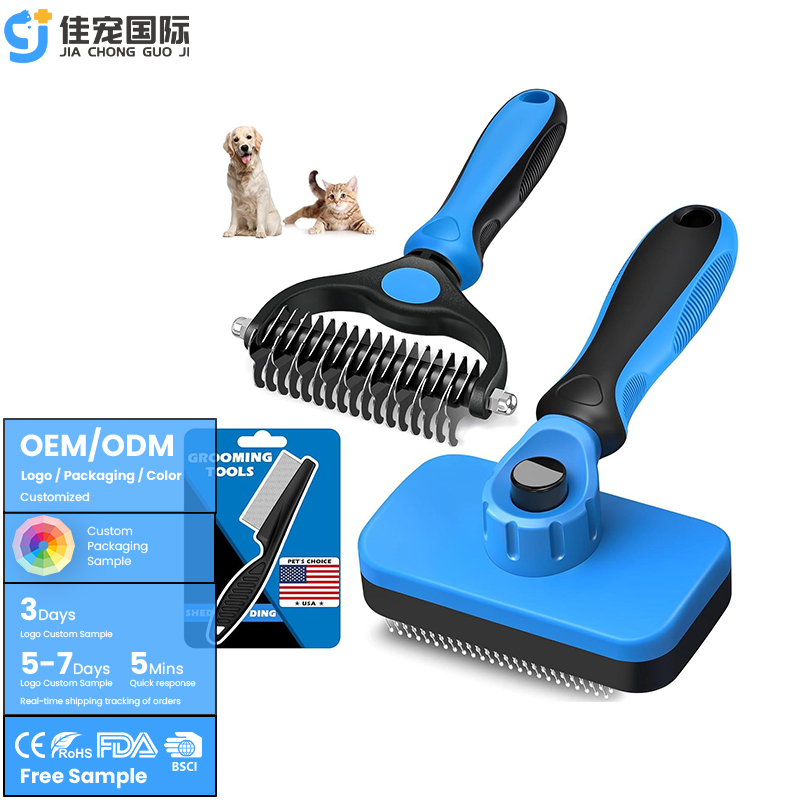
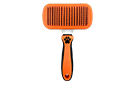
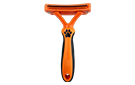
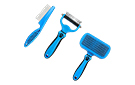
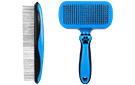

Since its founding in 2009, Jia Chong has devoted itself to the pet-care sector, with a “people-first, pet-embrace” philosophy, delivering professional, high-quality, full-line one-stop solutions for pet families worldwide.
-
 No. 90, Fengming Road, South District, Economic Open Zone, Yuyao City, Zhejiang Province, China
 -
 +86-152 5827 1677
-
 info@nbpetsfamily.com
Copyright © Ningbo Jia Chong International Trade Co., Ltd. All Rights Reserved. OEM/ODM Pet Accessories Manufacturer Pet Products Factory
