

 English
 русский
 Español
 Português
 عربى
 italiano

Can You Cut a Dog’s Hair With Human Clippers? Risks and Better Options
Content
- 1 Why Human Clippers Struggle With Dog Hair
- 2 What Can Go Wrong in Practice
- 3 When Someone Might Try It Anyway, and What to Do Instead
- 4 How to Choose Dog Clippers and Grooming Tools That Fit the Coat
- 5 A Safer Home Grooming Routine
- 6 Nail Care Is a Different Job
- 7 For Groomers and Pet Brands: What Buyers Should Verify
- 8 FAQ
A mat behind a dog’s ear is tight, the dog is fussing, and the only clipper nearby is a human hair clipper. It looks like a quick fix. It usually is not. The short answer is no: do not cut a dog’s hair with human clippers as a routine grooming method. You might remove some hair in a narrow case, but the blade, motor, and guard are matched to human hair, not dog coat or skin. The likely result is a patchy cut, a pulled coat, clipper burn, or a dog that fights grooming next time.
Use dog-specific clippers, coat-appropriate tools, or a professional groomer, especially for sanitary trims, mat removal, and full-body clipping. Here is why the tools differ, what can go wrong, and what to buy or recommend instead.
Why Human Clippers Struggle With Dog Hair
Human clippers are designed around human scalp hair: relatively uniform, usually exposed, and cut in predictable patterns. Dog coats are not one material. They vary from fine, silky hair to dense undercoat, stiff guard hairs, curls, and double coats. A blade that glides through human hair can stall, grab, or run hot in dog fur.
Blade geometry and coat density
Dog clippers often have wider teeth, stronger springs, and more torque. Human blades are finer and closer-set. On thick or curly coat, hair may not feed cleanly into the cutter, so the blade pulls instead of cutting. That is painful and leaves uneven patches.
Heat and torque
Dense fur creates resistance. A motor under load can slow down and the blade can heat up. Human clippers are not generally built for stop-start dog grooming around elbows, ears, paws, and sanitary areas. A hot blade can cause clipper burn without breaking skin.
| Feature | Human clippers | Dog clippers | Why it matters |
|---|---|---|---|
| Blade teeth | Finer and closer-set for scalp hair | Usually wider and stronger for dense coat | Better hair feed reduces pulling and stalling |
| Motor torque | Matched to lighter, more uniform hair | Built for resistance from undercoat and curls | Less slowdown and heat buildup in thick areas |
| Guard combs | Designed for human hair lengths | Sized for dog coat and body contours | More predictable length and safer passes |
| Noise and vibration | Not tuned for animal handling | Often designed with lower vibration in mind | Calmer dogs are safer to groom |
The table shows why a human clipper is the wrong starting point. A double coat, mats, or sensitive skin may still need a groomer or vet-led plan.
What Can Go Wrong in Practice
The most common problem is not one dramatic cut. It is a chain of small failures: the blade catches a tangle, the dog jerks, the groomer presses harder, and the blade gets hotter.
- Pulling and patchiness: Dull or fine blades can grab fur instead of cutting it, leaving a choppy finish and a sore dog.
- Clipper burn: A hot blade held against skin can cause redness, scabs, and tenderness, especially in armpits, groin, and behind the ears.
- Cuts and nicks: Loose skin and thin areas are easy to catch, particularly during sanitary trims.
- Mat damage: Mats pull skin tight. Running a clipper into a mat without the right blade and technique can cut skin rather than release the knot.
- Handling stress: A painful or noisy first experience can make future grooming harder for the dog and the owner.
If a dog is matted to the skin, has a skin condition, or is very anxious, use professional help. Do not try to solve a severe mat with human clippers and a guard comb.
When Someone Might Try It Anyway, and What to Do Instead
People usually reach for human clippers for a small tidy-up, often a sanitary trim, when dog clippers are unavailable. The risk is still high because human blades are not shaped for that skin. Wait, borrow proper dog clippers, or book a groomer. For light untidiness, brush first and trim only with blunt-tipped grooming scissors away from skin.
For pet brands, retailers, and grooming businesses, the practical alternative is a proper kit with tools matched to the task.
 6 in 1 Pet Grooming Kit for Cats and DogsA comprehensive kit with matched grooming tools for detangling, loose hair, flea removal, nail trimming, bathing, and massage, suited to pet brands and grooming businesses.View Product →
A mixed kit does not replace technique, but it gives owners the right starting tools instead of a human clipper. That can reduce returns, complaint calls, and injuries from misuse.
How to Choose Dog Clippers and Grooming Tools That Fit the Coat
Start with the coat, not the clipper color. Fine, curly, double, and thick coats put different loads on a blade. For full clipping, choose enough torque for the densest area, available replacement blades, and manageable heat under load. For home use, lower noise and vibration are safety features.
- Match the blade to the coat: Ask whether the blade is intended for fine, medium, or thick fur, and whether guard combs are available.
- Check heat management: Look for cooling guidance, spare blades, and a clear instruction to test blade temperature.
- Plan for maintenance: Blades need cleaning, oiling, and replacement. A cheap clipper with no spares becomes a drawer item.
- Buy for the body area: Paws, face, and sanitary areas may need a smaller tool or scissors, not the same blade used on the back.
- Read the instructions: A good supplier explains coat prep, blade tension, and when to stop.
For a broader category view, see our guide to pet cleaning and grooming product selection. It helps buyers compare tools by use case, not packaging alone.
A Safer Home Grooming Routine
Good grooming starts before the clipper. Brush or comb to find mats, burrs, and tender spots. Work in good light and keep sessions short. If the dog pulls away, stop and reset rather than forcing the blade through. For full clips, many owners are better served by a groomer, especially on double coats and matted fur.
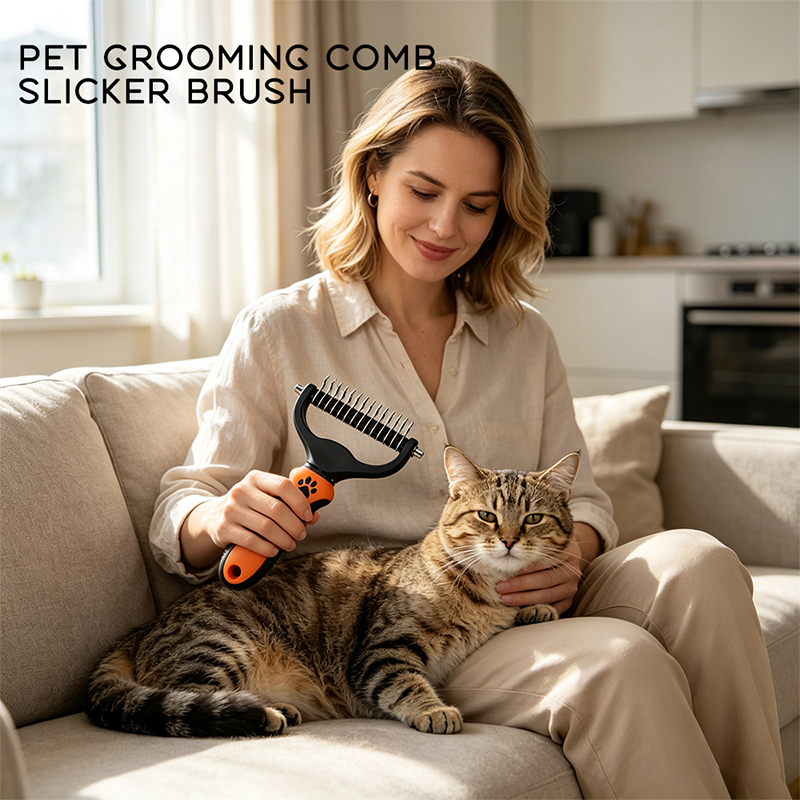 JCKJ1 Pet Detangling Brush for Long-Haired PetsWide-tooth comb head and wider spacing help separate stubborn mats and tangles on long-haired pets before clipping, including behind ears and under arms.View Product →
Use the brush to separate tangles before any clipping. If a mat does not come apart with gentle combing, do not dig at it with a blade.
Nail Care Is a Different Job
Hair clippers and nail clippers are not interchangeable, and human nail clippers are a poor fit for most dogs. Dog nails are thicker and curved differently. Use a dedicated dog nail clipper matched to the dog’s size. If you cannot see the quick, take small amounts or ask a groomer or vet.
 Pet Nail Clipper with Straight Blade and Safety LockDedicated dog nail clipper with straight blade, lever operation, non-slip handle, and one-button lock; available in large and small sizes.View Product →
Keep nail care separate from coat clipping in your routine and in any retail kit. Clear labeling prevents misuse.
For Groomers and Pet Brands: What Buyers Should Verify
Buyers should verify intended coat type, blade material, motor specification, replacement parts, packaging warnings, and quality checks. A supplier with in-house design, engineering, and QC can align a grooming kit with the market. Ningbo Jia Chong International Trade has worked in pet care and grooming products since 2009, with a 10,000-square-meter factory, 18 production lines, and OEM/ODM support for buyers in more than 40 countries. For project details, contact the team with your target coat type, price band, and packaging requirements.
The key question: does this tool set reduce the chance an owner will misuse a human clipper on a dog? Clear instructions, correct blade sizing, and coat-specific kits matter more than a long feature list.
FAQ
Can you cut a dog’s hair with human clippers if the coat is thin?
It is still not recommended. A thin coat may feed more easily, but the blade, guard, motor, and heat behavior are still designed for human hair. Use dog-specific clippers or a groomer.
Can human clippers cause clipper burn on dogs?
Yes. Dense fur increases resistance, and a blade can heat up during repeated passes. Dog skin can be sensitive, especially in thin areas, so test blade temperature and use the right tool.
Can I use dog clippers on human hair?
It may be physically possible in some cases, but it is not the intended use. Dog clippers are built for denser coat and may not give a clean human haircut. Keep the tools separate.
Can I use human nail clippers on my dog?
No, not as a normal practice. Dog nails need a clipper shaped for their thickness and curve. Human nail clippers can crush or split the nail and make it harder to judge the quick.
What should I do if I already started clipping with human clippers?
Stop, check the skin for redness or nicks, and let the dog settle. If the coat is uneven or matted, book a groomer. If the skin is broken or the dog is in pain, contact a vet.

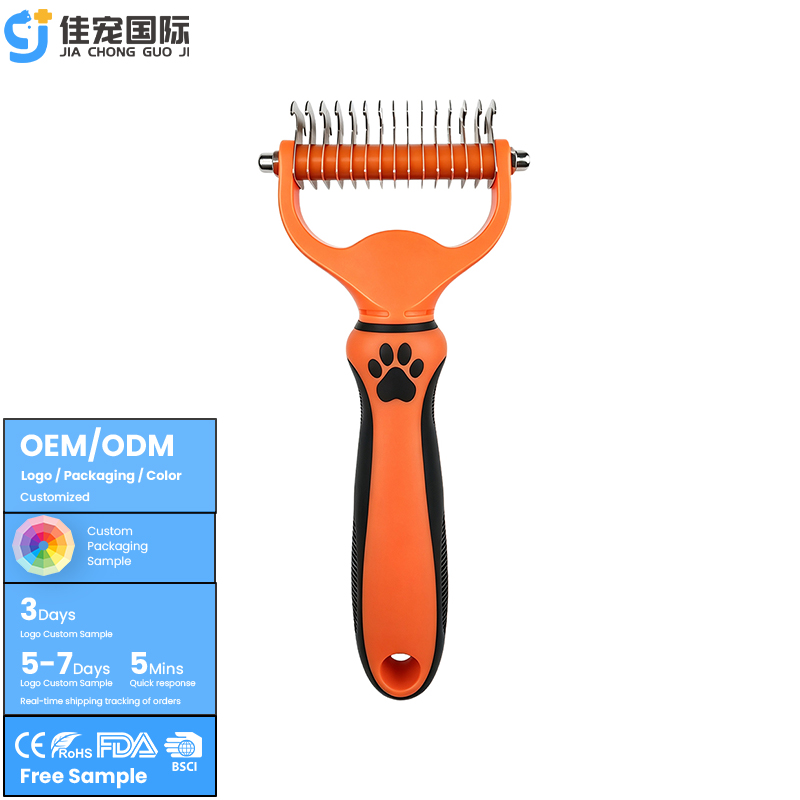
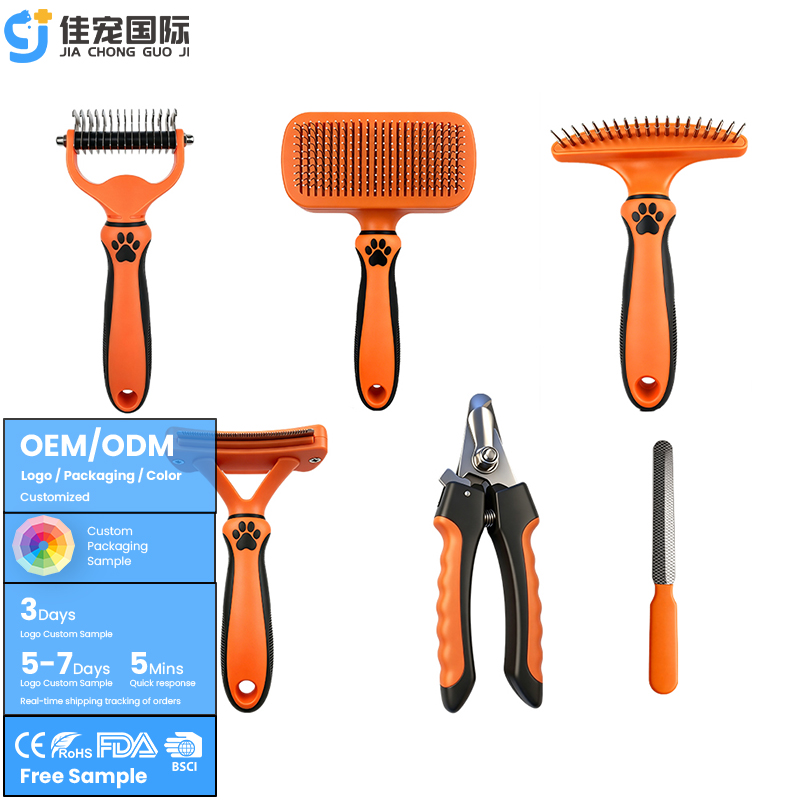




Since its founding in 2009, Jia Chong has devoted itself to the pet-care sector, with a “people-first, pet-embrace” philosophy, delivering professional, high-quality, full-line one-stop solutions for pet families worldwide.
-
 No. 90, Fengming Road, South District, Economic Open Zone, Yuyao City, Zhejiang Province, China
-
 +86-152 5827 1677
-
 info@nbpetsfamily.com
Copyright © Ningbo Jia Chong International Trade Co., Ltd. All Rights Reserved. OEM/ODM Pet Accessories Manufacturer Pet Products Factory
