

 English
 русский
 Español
 Português
 عربى
 italiano

FOB vs EXW for Pet Products: Who Pays Freight, Customs, and Cargo Risk
Content
A buyer requests pricing on 2,000 units of a 6-in-1 grooming kit and gets two numbers back: EXW Ningbo at $4.10, FOB Ningbo at $4.28. The EXW column wins on the spreadsheet. Six weeks later the forwarder invoice lands with a factory pickup fee, an export declaration charge, a loading line, and a documentation fee nobody budgeted for, and the delivered cost sits above the FOB option.
For most pet product orders leaving China, FOB is the better default. The supplier carries the goods through export clearance and onto the vessel; your forwarder takes over at the port. EXW only beats it when you already have a forwarder with real depth in Ningbo or Shanghai, enough volume to consolidate, and someone on your team who will chase the factory for export paperwork. Here is where the money and the risk actually move, and why bulky pet items make the handoff point matter more than it does for flat, light cargo.
The Handoff Point: What EXW and FOB Actually Divide
EXW and FOB are both Incoterms, and both answer one question: at which moment do cost and risk pass from seller to buyer? The two answers usually sit a few dozen kilometres apart, the distance between a factory gate and the container terminal.
Under EXW (Ex Works), the seller's job ends when the goods are made available at their premises, packed but not loaded. Loading at the dock, inland trucking, export customs declaration, terminal handling, ocean freight, insurance and import clearance all sit with you. Risk passes at the factory, so a crate crushed during loading is your loss, not the supplier's.
Under FOB (Free On Board), the seller delivers the goods on board the vessel you nominate at the named port. That pulls export clearance, inland transport and port handling onto the supplier's side, and risk passes only once the cargo is on board.
Two technical notes before you sign. FOB is a sea and inland-waterway term; for containerized cargo, FCA is the technically tidier fit, though FOB remains the working norm in Chinese export trade. If you would rather have the seller arrange the sea leg, CIF adds ocean freight and insurance to the seller's scope. And EXW frequently makes the buyer the exporter of record, which is where the hidden cost usually hides.
FOB vs EXW Side by Side
The table below is the version worth pasting into your sourcing file. Read it top to bottom for cost, then again for risk, because the two hand off at different moments under the same three letters.
| Responsibility | EXW | FOB |
|---|---|---|
| Loading at the supplier's dock | Buyer | Seller |
| Inland trucking to port | Buyer | Seller |
| Export customs declaration | Buyer or buyer's agent | Seller |
| Origin terminal handling | Buyer | Seller |
| Ocean freight and marine insurance | Buyer | Buyer |
| Import clearance and duties at destination | Buyer | Buyer |
| Risk transfers | At the factory, before loading | Once goods are on board |
| Quote level on paper | Lowest | Higher, wider scope |
| Fits best | Multi-supplier pickups, buyers with a China agent | Single-supplier shipments booked by the buyer |
Why the EXW Number Climbs After the Quote
An EXW price is a factory-gate price, and factory gates are not where ships are. To compare fairly, rebuild the FOB figure from the EXW one: add loading, inland trucking, the export declaration, terminal handling and documentation. Buyers who run this exercise usually find the gap narrows noticeably, and occasionally flips. In the opening example, the $0.18 per-unit difference is $360 on 2,000 units, and a pickup, declaration, loading and documentation bill can easily reach that level.
The larger factor is China's export VAT rebate. Exporters can normally reclaim VAT on exported goods, but the rebate is tied to the export declaration and the supplier's own export documents. Under EXW, that declaration often ends up with your forwarder or a trading agent, which makes it harder for the supplier to claim the rebate smoothly. Whether it can be done at all depends on the factory's and the forwarder's actual arrangement. Many factories respond by pricing EXW at a higher net unit price, or by declining EXW on larger orders. It is worth asking directly: "Can you still claim the rebate on an EXW shipment, and how?" The answer tells you whether the quote is real.
Documentation friction is the second trap. When your forwarder files the declaration, it typically needs the supplier's VAT invoice and product details, and factories are inconsistent about how quickly those appear. A supplier filing its own declaration under FOB controls that timeline. You do not.
Where EXW Earns Its Place
EXW is not a bad term. It is a term for buyers who already own the logistics. It works when:
- You are consolidating several suppliers in one province and a single forwarder collects from each factory.
- You have a sourcing office or agent in China who can supervise loading and handle the export declaration.
- The shipment is small or sample-sized and your forwarder quotes door-to-port as a package anyway.
- You want to control the booking, the carrier and the routing yourself.
Take a 6-in-1 grooming kit with six components in one retail box. Under FOB, the factory packs the mixed master carton, stages it for the container and answers for damage before the vessel sails. Under EXW, that carton becomes your cargo the moment it is set down, and a mixed-SKU set is exactly the sort of item where a crushed corner turns into a retail return.
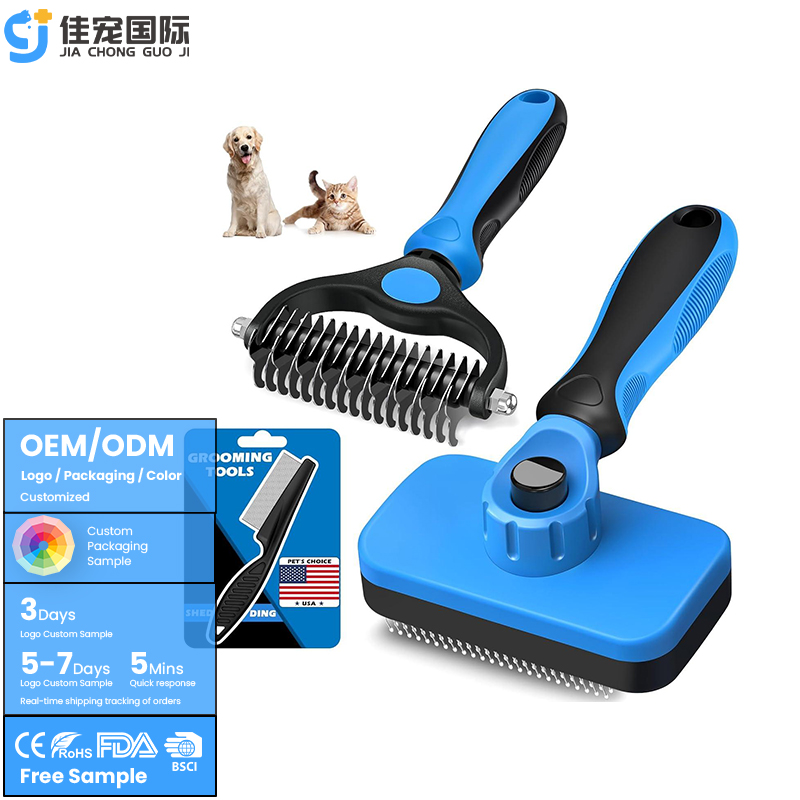
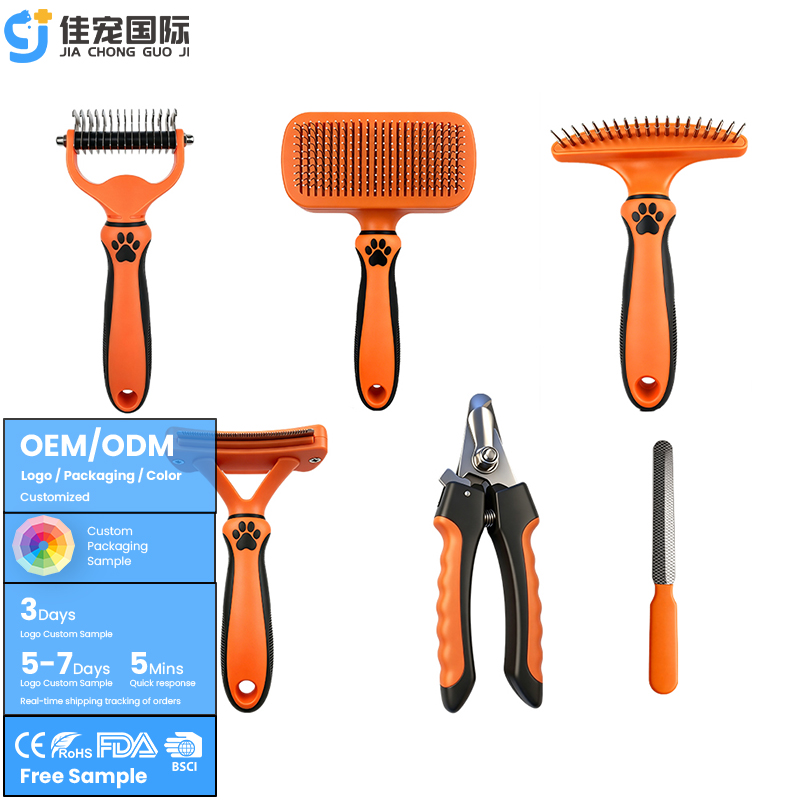
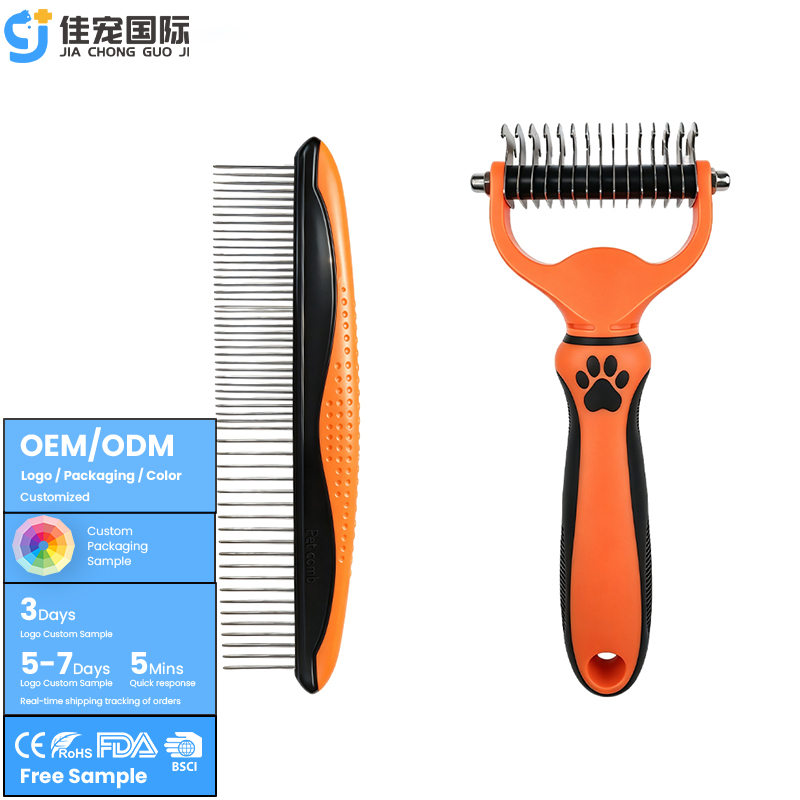
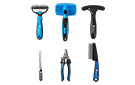
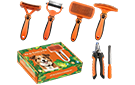
 6-in-1 Cat and Dog Grooming KitA multi-piece grooming set for cats and dogs; its mixed retail pack makes it a practical example when comparing FOB and EXW carton handling.View Product →
Pet Products Are Awkward Cargo
Pet products skew light and bulky, which is where the Incoterm choice starts showing up in the freight line rather than the unit price. An automatic litter box, a pet air box or a stroller can consume far more container space than its weight suggests, and ocean freight bills on volume once the cargo is light. That makes carton dimensions, stacking orientation and container fill rate part of the commercial decision, not an afterthought.
Under FOB, the supplier plans the load with your forwarder: cartons per pallet, whether units ship upright, how to fill a 40HQ without crushing the bottom layer. Under EXW, you inherit whatever cartons exist at pickup and whatever loading practice the factory happens to use that day, and you carry the damage claim, because risk already passed at the door.
Moisture is the quieter issue. Biodegradable poop bags, wheat straw dispensers and cardboard-heavy kits pick up humidity during inland trucking and port storage. A supplier moving its own cargo to the terminal has a reason to wrap and protect it properly. A factory that has already handed off does not.
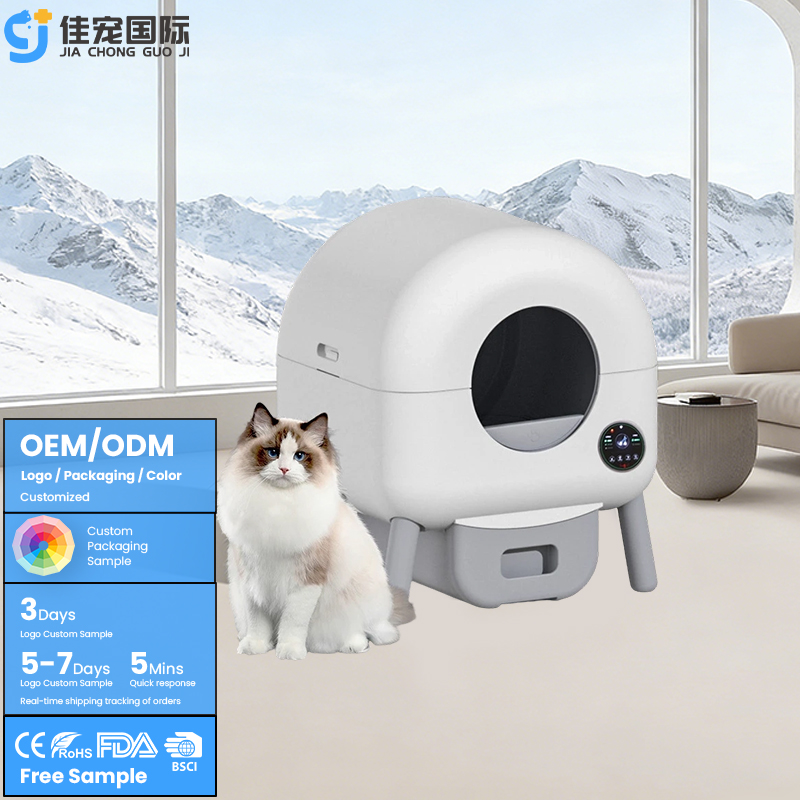 76L Automatic Self-Cleaning Cat Litter BoxAn app-connected 76L self-cleaning litter box with anti-pinch safety and a 13L waste tank; its size and electronics make packing and delivery terms worth reviewing.View Product →
Five Checks Before You Choose
Whichever term you pick, the comparison only works if both quotes describe the same cargo. Settle these first:
- Quote identical cargo data: carton dimensions, gross weight, CBM and HS code for every SKU, not just the unit price.
- Compare line by line across loading, trucking, declaration, terminal handling, documentation and ocean freight.
- Ask who files the export declaration, in whose name, and whether the rebate still applies.
- Write the full term in the contract, "FOB Ningbo, Incoterms 2020", rather than just "FOB".
- Check timing: vessel cut-offs against factory lead time, especially on large-volume items.
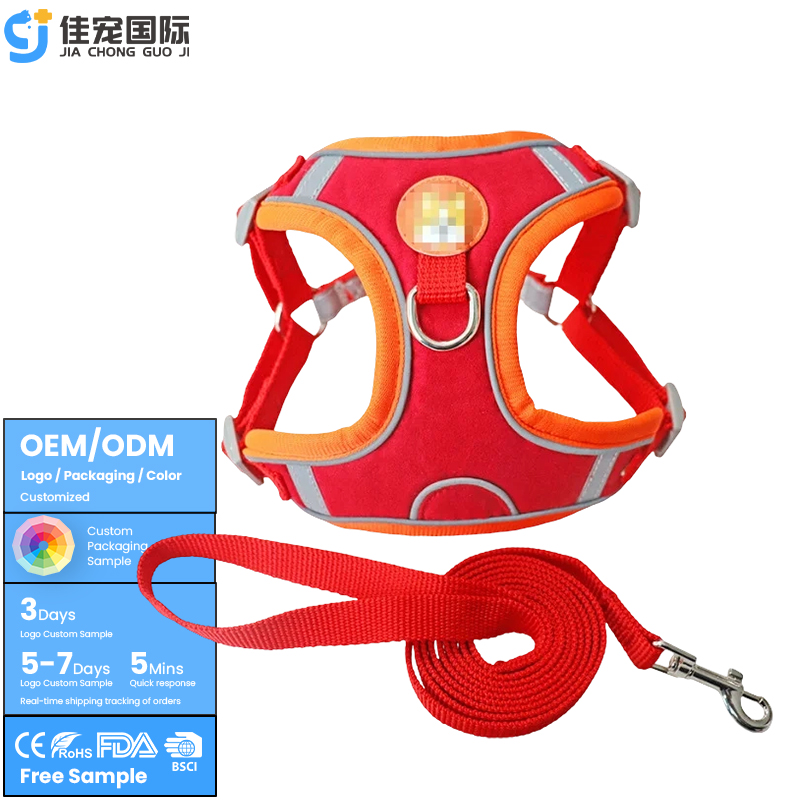
A pet stroller is a useful test case. Two quotes can look $0.60 apart per unit while the carton sizes differ enough to change how many units fit in a container, and that shifts the real cost per delivered unit far more than the price difference does.
 Lightweight Pet Stroller with Ventilation WindowA 2.15 kg PVC and Oxford pet stroller with wheels, push rod and ventilation window; carton size affects container fill in freight comparisons.View Product →
FAQ
Is FOB always cheaper than EXW?
Not on paper, and not always in total. FOB is usually the higher quote because it already includes export clearance and delivery to the port. Once you add pickup, declaration and handling costs to an EXW shipment, the landed cost often ends up close, and FOB is simpler to administer. On very small shipments the gap can go either way.
Who pays for loading at the factory under EXW?
The buyer. EXW ends when goods are made available at the seller's premises, not when they are on the truck. Loading labour, equipment and any damage during that step sit with you, so agree in writing who actually performs the loading.
Can my freight forwarder collect EXW cargo in China?
Yes, most can arrange pickup, export declaration and trucking as add-on services. Confirm the forwarder holds the right documentation and ask what it needs from the factory: commercial invoice, packing list and usually the supplier's VAT invoice for the declaration.
Does FOB include ocean freight?
No. Under FOB the seller's cost stops when the goods are on board. Ocean freight, marine insurance, import clearance and final delivery are yours. That is precisely why FOB quotes compare cleanly across suppliers: the freight component is identical for every factory you shortlist.
Run the numbers before you run the argument. Rebuild both quotes on identical cargo data, add the origin charges you would inherit under EXW, and check whether the factory can still claim its export rebate. In most pet product programmes, the FOB figure stops looking expensive and starts looking like the one that does not need a second meeting.
If you are sourcing grooming kits, waste bags, feeders or travel carriers, our Ningbo factory quotes both ways and will show you the cost build-up line by line. Start with a quote request, or review the factory and quality process before you shortlist.
related products








Since its founding in 2009, Jia Chong has devoted itself to the pet-care sector, with a “people-first, pet-embrace” philosophy, delivering professional, high-quality, full-line one-stop solutions for pet families worldwide.
-
 No. 90, Fengming Road, South District, Economic Open Zone, Yuyao City, Zhejiang Province, China
-
 +86-152 5827 1677
-
 info@nbpetsfamily.com
Copyright © Ningbo Jia Chong International Trade Co., Ltd. All Rights Reserved. OEM/ODM Pet Accessories Manufacturer Pet Products Factory
